
1060 vs 1070 vs 1350 Aluminum Strip for Transformer
2026-04-29
1060, 1070 and 1350 aluminum strips are commonly used in transformer and electrical conductor applications. For transformer manufacturers, selecting the right aluminum grade is important because it affects conductivity, winding performance, cost and final transformer reliability.
Although these grades all belong to high-purity aluminum materials, they are not exactly the same. Each grade has its own characteristics and suitable applications.
This article explains the differences between 1060, 1070 and 1350 aluminum strip for transformer use.
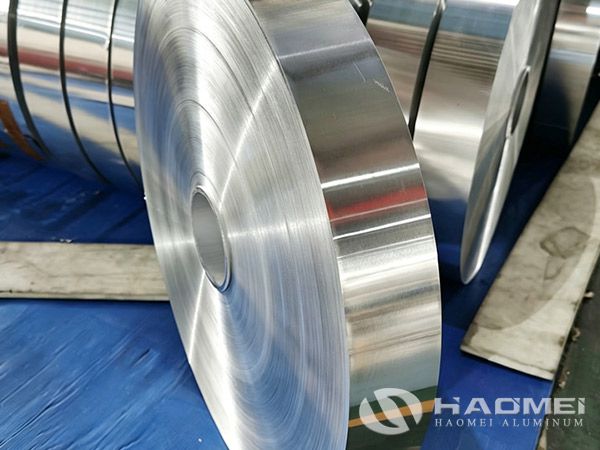
Why Aluminum Grade Matters for Transformer Strip
Transformer aluminum strip is used as a conductor material. Therefore, aluminum purity and conductivity are important performance factors.
The aluminum grade can affect:
Electrical conductivity
Mechanical properties
Formability
Surface performance
Cost
Application suitability
Compliance with customer standards
Choosing the correct grade helps ensure that the material matches transformer design requirements.
What Is 1060 Aluminum Strip?
1060 aluminum strip is a high-purity aluminum material with good conductivity and excellent formability. It is one of the most widely used aluminum grades for transformer winding.
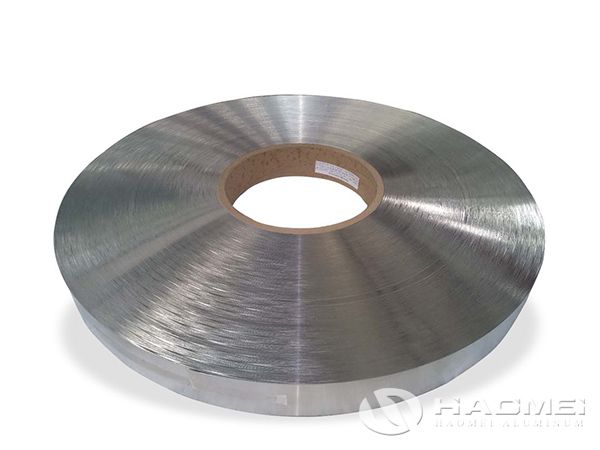
Main Features of 1060 Aluminum Strip
Good electrical conductivity
Good ductility
Easy to process
Good surface quality
Cost-effective
Suitable for general transformer winding
1060 aluminum strip is often selected when customers need stable quality, good winding performance and reasonable cost.
Typical Applications
Transformer winding
Electrical conductor components
Distribution transformers
Dry-type transformers
Oil-immersed transformers
What Is 1070 Aluminum Strip?
1070 aluminum strip has higher aluminum purity than 1060. Because of its higher purity, it can provide better electrical conductivity.
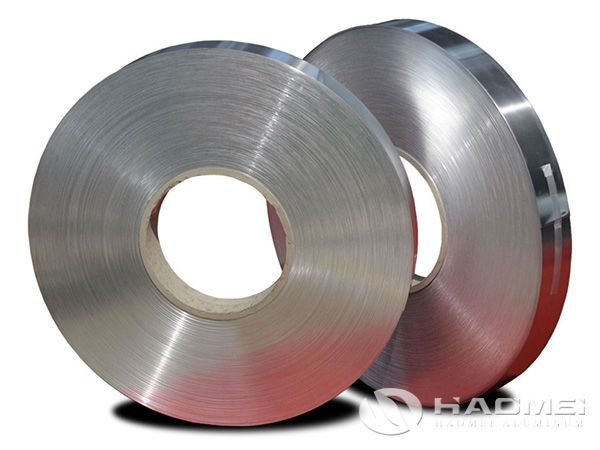
Main Features of 1070 Aluminum Strip
Higher aluminum purity
Better conductivity than 1060
Good formability
Suitable for electrical applications
Smooth surface performance
1070 aluminum strip is often used when transformer manufacturers require higher conductivity or higher purity aluminum material.
Typical Applications
Transformer winding
Electrical conductor strip
High-conductivity aluminum applications
Power equipment components
What Is 1350 Aluminum Strip?
1350 aluminum is commonly used as an electrical-grade aluminum material. It is widely applied in power transmission, electrical conductor and transformer-related applications.
Main Features of 1350 Aluminum Strip
Electrical-grade aluminum
Good conductivity
Suitable for conductor applications
Stable electrical performance
Good processability
1350 aluminum strip is often selected according to specific electrical industry standards or customer technical requirements.
Typical Applications
Transformer winding
Electrical conductor materials
Power equipment
Busbar and conductor-related applications
Comparison Table: 1060 vs 1070 vs 1350
| Item | 1060 Aluminum Strip | 1070 Aluminum Strip | 1350 Aluminum Strip |
|---|---|---|---|
| Aluminum Purity | High | Higher than 1060 | Electrical-grade |
| Conductivity | Good | Better | Good for electrical applications |
| Formability | Excellent | Good | Good |
| Cost | Generally economical | Usually higher than 1060 | Depends on requirement |
| Typical Use | General transformer winding | Higher conductivity requirements | Electrical conductor applications |
| Availability | Common | Common | Depends on market and specification |
Conductivity Comparison
Conductivity is one of the key differences among these grades.
In general:
1070 aluminum strip usually has better conductivity than 1060.
1350 aluminum is widely used in electrical conductor applications.
1060 provides good conductivity and is widely accepted for transformer winding.
However, actual conductivity should be confirmed according to material certificates and customer requirements.
Formability and Winding Performance
For transformer winding, formability is very important. Aluminum strip should be able to bend and wind smoothly without cracking or serious deformation.
O temper aluminum strip usually offers better ductility and winding performance.
All three grades can be used for winding applications, but the final performance also depends on:
Temper
Thickness
Edge quality
Surface condition
Coil condition
Production process
How to Choose the Right Grade
Choose 1060 aluminum strip if:
You need a common and cost-effective material
Good conductivity is acceptable
General transformer winding is required
Stable supply is important
Choose 1070 aluminum strip if:
Higher purity is required
Better conductivity is needed
The transformer design requires higher electrical performance
Choose 1350 aluminum strip if:
Electrical-grade aluminum is specified
The application follows electrical conductor requirements
Customer standards require 1350 aluminum
Quality Control Suggestions
No matter which aluminum grade is selected, quality control is critical.
Important inspection items include:
Chemical composition
Conductivity
Thickness tolerance
Width tolerance
Surface quality
Edge burr
Mechanical properties
Coil condition
Packaging condition
For transformer winding, edge quality should receive special attention. Deburred or round edge can help protect insulation materials during winding.
1060, 1070 and 1350 aluminum strips are all used in transformer and electrical applications.
1060 aluminum strip is widely used because of its good conductivity, formability and cost-effectiveness. 1070 aluminum strip offers higher purity and better conductivity. 1350 aluminum strip is commonly selected for electrical conductor applications.
The best grade should be selected according to transformer design, conductivity requirements, customer standards and budget.