
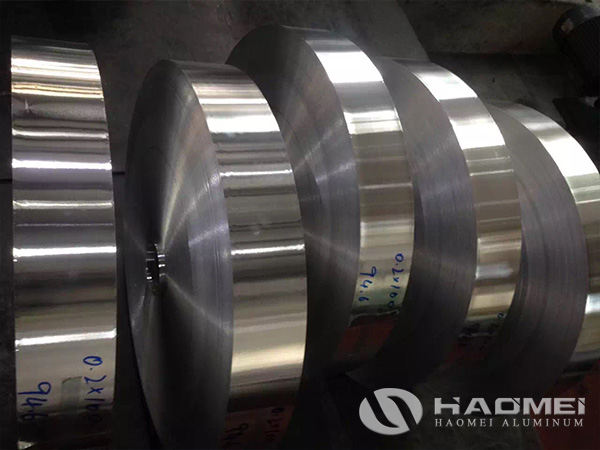
Products can be customized
Aluminum strip for argon arc welding is used for welded cable sheath applications, offering clean surface, good weldability, stable elongation and custom sizes.
Aluminum strip for argon arc welding is specially designed for applications requiring continuous TIG welding or argon arc welding performance. It is commonly used in the production of welded aluminum cable sheath, aluminum protective sheath, metal cable covering and other aluminum welded structures.
During cable sheath production, the aluminum strip is longitudinally formed around the cable core and welded by argon arc welding equipment. Therefore, the material must have excellent weldability, clean surface, stable chemical composition, accurate dimensional tolerance and good forming performance.
We supply aluminum strip for argon arc welding in different alloys, tempers, thicknesses and widths according to customer cable design and welding process requirements.
Product Name | Aluminum Strip for Argon Arc Welding |
Alloy | 1050, 1060, 1070, 1100, 3003, 3004, 5052, 5154, 5754 |
Temper | O, H12, H14, H16, H18, H22, H24, H32, H34 |
Thickness | 0.20–3.00 mm or customized |
Width | 20–1200 mm or customized |
Surface | Smooth, clean, oil-free, oxide-free |
Edge | Slit edge, trimmed edge, burr-free edge |
Coil ID | 150 mm, 300 mm, 400 mm, 500 mm, 508 mm or customized |
Coil Weight | According to customer requirements |
Tolerance | According to customer drawing or technical requirement |
Application | Argon arc welding, TIG welding, welded aluminum cable sheath, aluminum protective sheath |
Common Specification Range
Application | Common Thickness | Common Width |
Welded aluminum cable sheath | 0.30–1.50 mm | 50–800 mm |
Aluminum protective sheath | 0.50–2.00 mm | 100–1000 mm |
General TIG welding aluminum strip | 0.20–3.00 mm | Customized |
Industrial welded aluminum covering | 0.50–2.50 mm | Customized |
Alloy Series | Common Alloys | Main Features | Typical Application |
1000 Series | 1050, 1060, 1070, 1100 | High purity, excellent weldability, good conductivity, good formability | Welded aluminum cable sheath, general TIG welding applications |
3000 Series | 3003, 3004 | Better strength than pure aluminum, good corrosion resistance and weldability | Cable sheath, protective aluminum covering, industrial welded parts |
5000 Series | 5052, 5154, 5754 | Higher strength, excellent corrosion resistance, good weldability | Higher-strength welded aluminum structures, special cable sheath applications |
Alloy | Temper | Tensile Strength Rm | Yield Strength Rp0.2 | Elongation A | Features |
1050 | O | 60–100 MPa | 20–45 MPa | 20–35% | Excellent formability and weldability |
1050 | H14 | 95–135 MPa | 75–115 MPa | 3–10% | Better strength with moderate formability |
1060 | O | 60–100 MPa | 20–45 MPa | 20–35% | High purity and good welding performance |
1060 | H14 | 95–135 MPa | 75–115 MPa | 3–10% | Stable strength and dimensional performance |
1070 | O | 55–95 MPa | 15–40 MPa | 22–38% | High conductivity and excellent ductility |
1100 | O | 75–110 MPa | 25–55 MPa | 20–35% | Good corrosion resistance and weldability |
3003 | O | 95–130 MPa | 35–65 MPa | 18–30% | Good formability and higher strength |
3003 | H14 | 140–180 MPa | 115–160 MPa | 3–10% | Stable mechanical performance |
5052 | O | 170–215 MPa | 65–100 MPa | 12–25% | Higher strength and corrosion resistance |
5052 | H32 | 210–260 MPa | 130–190 MPa | 5–12% | Good balance of strength and formability |
5754 | O | 190–240 MPa | 80–120 MPa | 12–25% | Good welding and corrosion resistance |
5754 | H22/H32 | 220–270 MPa | 130–190 MPa | 8–16% | Stable strength for welded applications |
Note: The above values are typical reference ranges only. Final mechanical properties depend on alloy,
For argon arc welding applications, aluminum strip should have stable welding performance and clean surface condition. The welding process requires the material to melt evenly and form a stable weld seam without excessive porosity, cracking or unstable bead appearance.
Key Welding Requirements
Stable chemical composition
Good metallurgical compatibility
Clean and oil-free surface
Low surface oxidation
Accurate thickness tolerance
Smooth edge condition
Good forming performance before welding
Stable weld seam quality after TIG welding
Good resistance to cracking during forming and welding
Surface quality is one of the most important factors for aluminum argon arc welding. Oil stains, dust, oxide layer, moisture or surface contamination may cause welding defects such as pores, black spots, unstable arc, incomplete fusion or poor weld appearance.
Our aluminum strip can be supplied with:
Clean surface
Oil-free surface
Smooth finish
Uniform color
No obvious oxidation stains
No cracks
No scratches affecting welding
No surface contamination
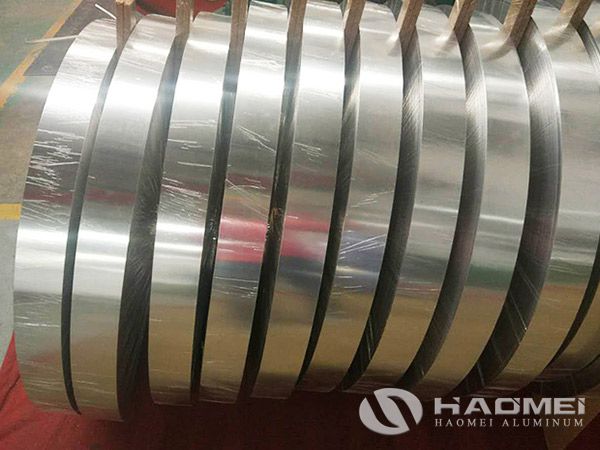
For continuous cable sheath welding or automatic TIG welding production, edge quality is very important. Burrs or uneven edges may affect forming accuracy, welding seam alignment and welding stability.
We can supply:
Slit edge
Trimmed edge
Burr-controlled edge
Burr-free edge
Smooth edge for automatic welding line
Stable coil winding for continuous feeding
Excellent argon arc welding performance
Suitable for TIG welding and continuous welding
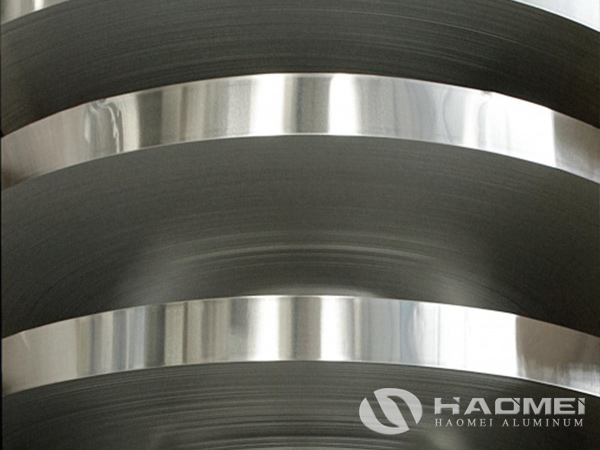
Clean, smooth and oil-free surface
Stable chemical composition
Good elongation and formability
Accurate thickness and width tolerance
Burr-free edge available
Good corrosion resistance
Stable coil winding quality
Suitable for automatic welding production lines
Custom alloy, temper, thickness and width available
Aluminum strip for argon arc welding is widely used in:
Welded aluminum cable sheath
Aluminum protective cable sheath
Corrugated aluminum sheath cable
High-voltage cable sheath
Medium-voltage cable sheath
Power cable manufacturing
Control cable manufacturing
Communication cable shielding and sheath structures
Industrial aluminum welded structures
Aluminum covering and wrapping applications
TIG welded aluminum components
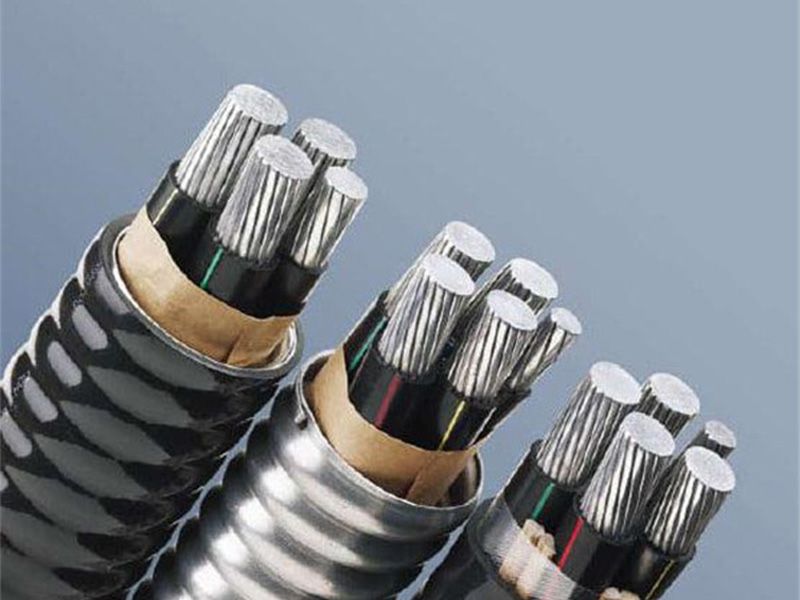
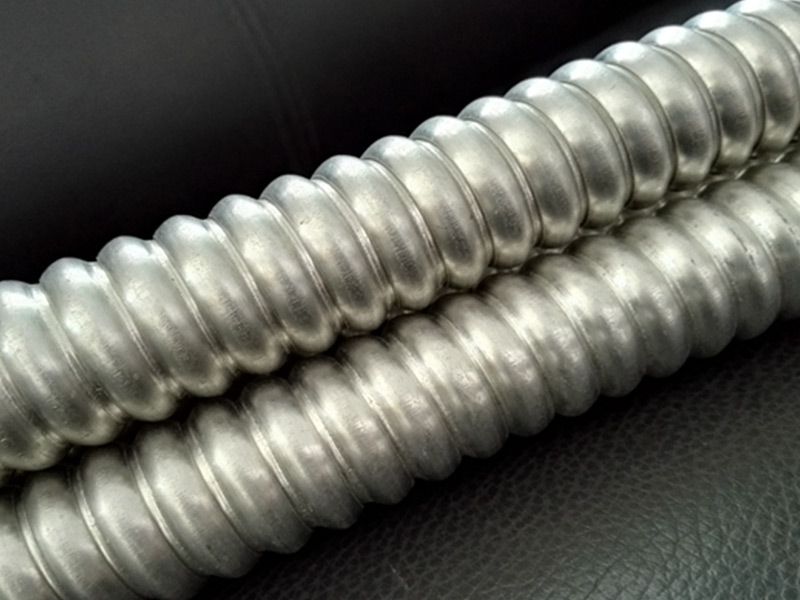
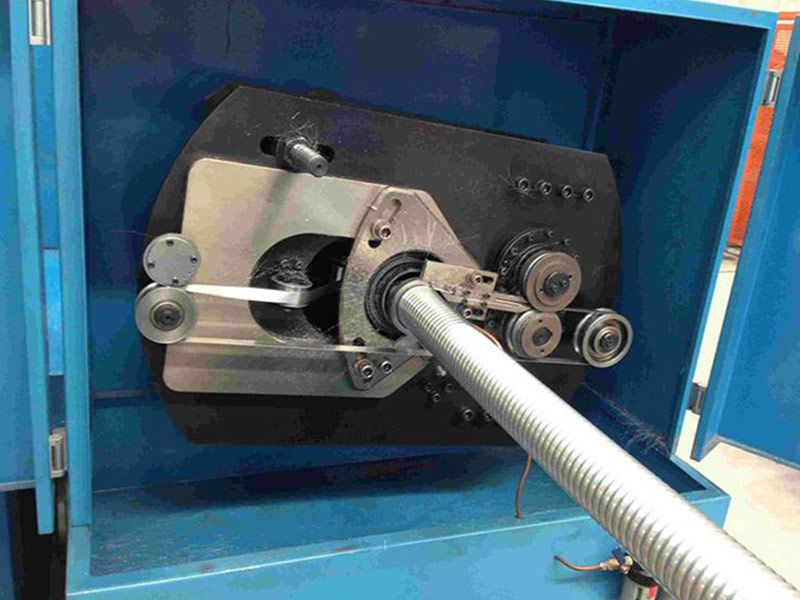
We control the quality of aluminum strip for argon arc welding through raw material selection, precision processing and final inspection.
Quality Control Items
Chemical composition inspection
Thickness tolerance inspection
Width tolerance inspection
Surface cleanliness inspection
Oxidation and stain inspection
Edge burr inspection
Tensile strength test
Yield strength test
Elongation test
Hardness test if required
Coil flatness inspection
Winding quality inspection
Trial welding test if required
Packaging inspection
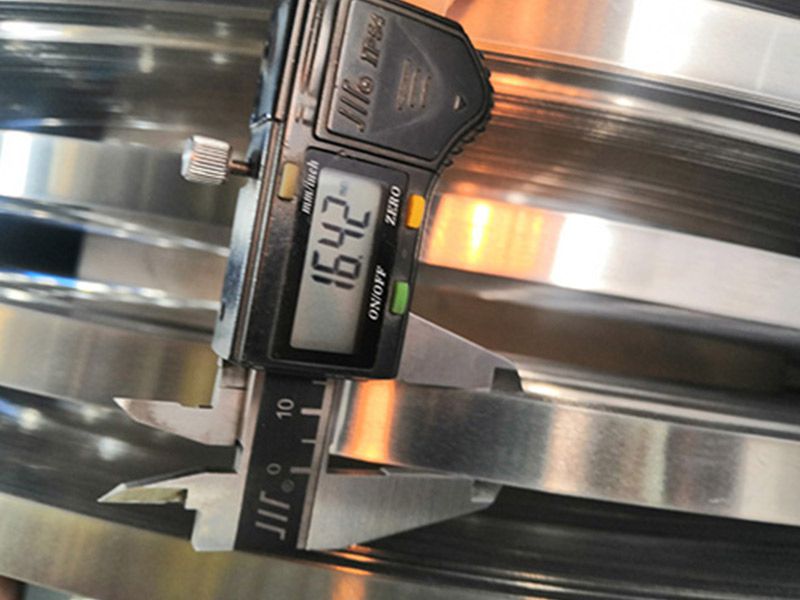
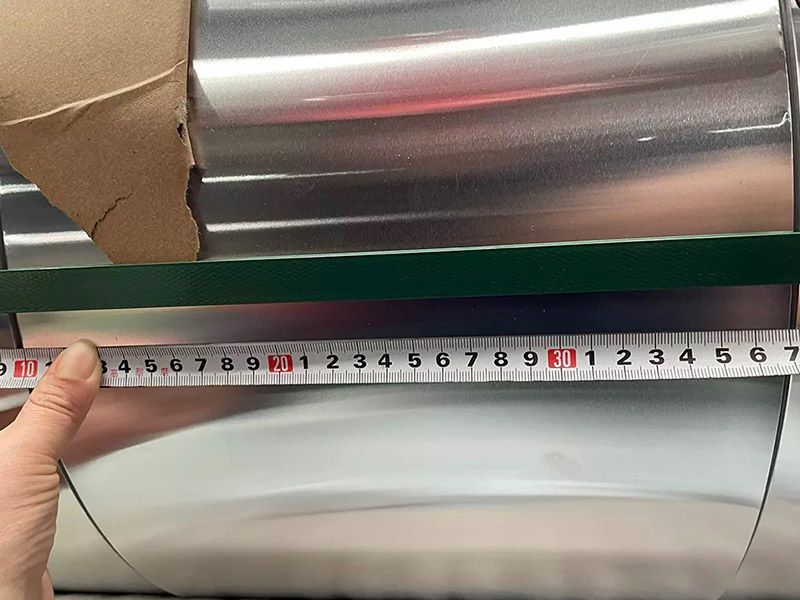
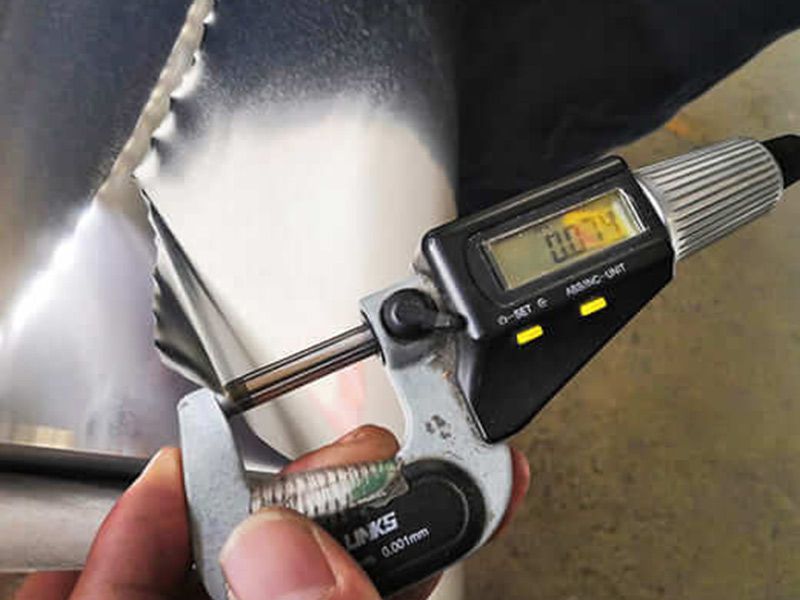
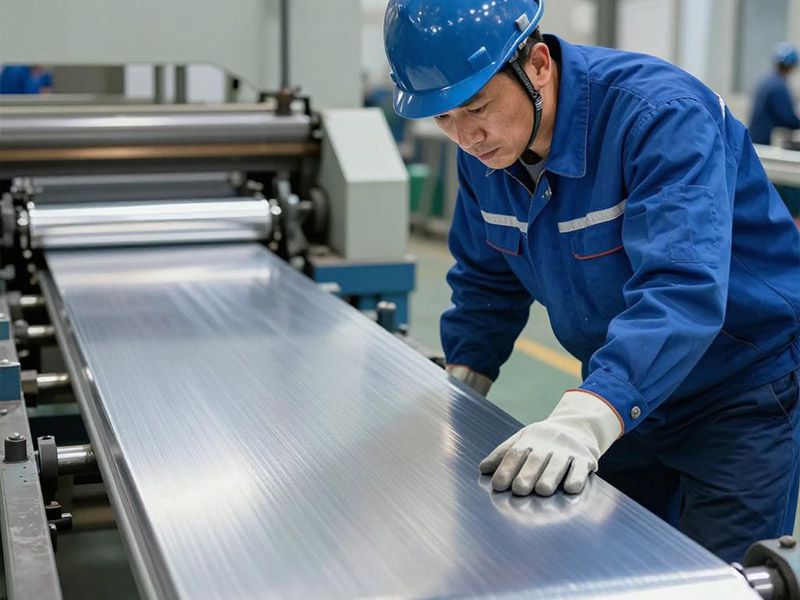
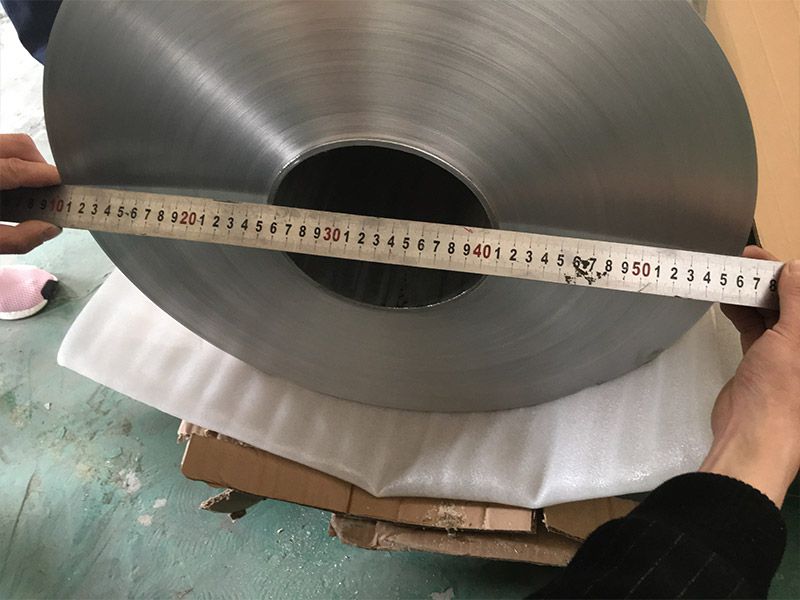
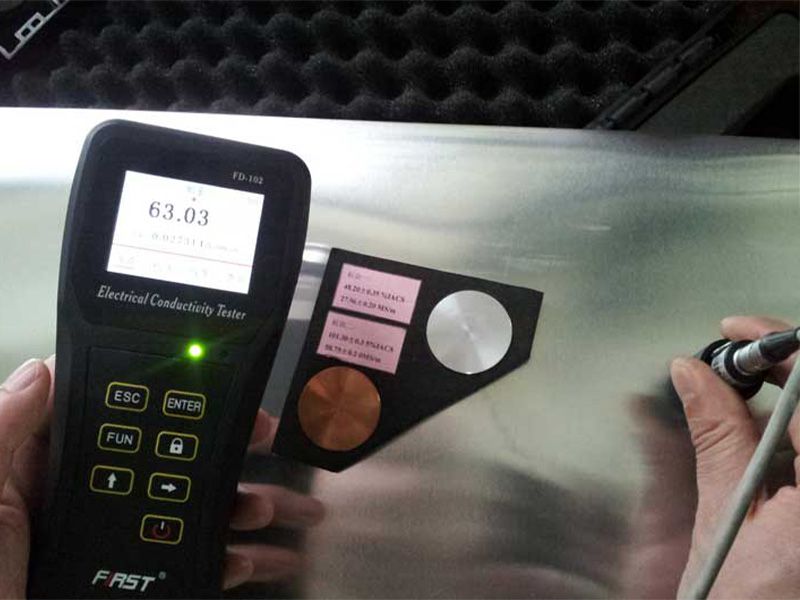
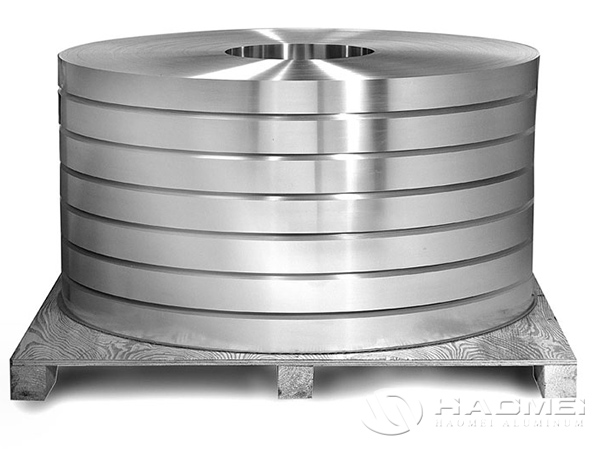
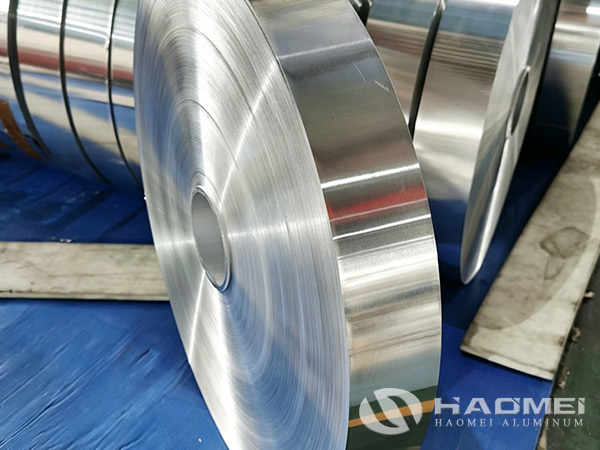
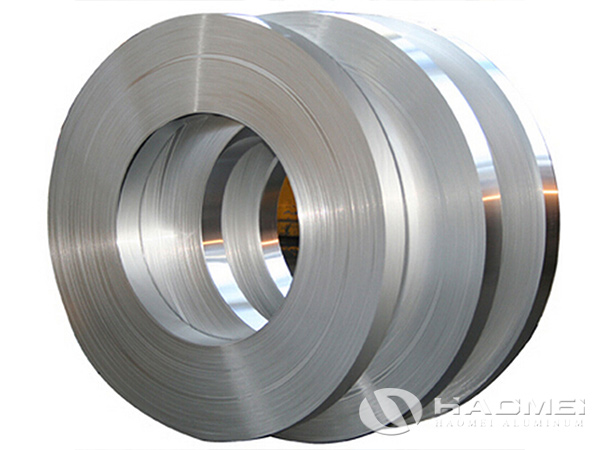
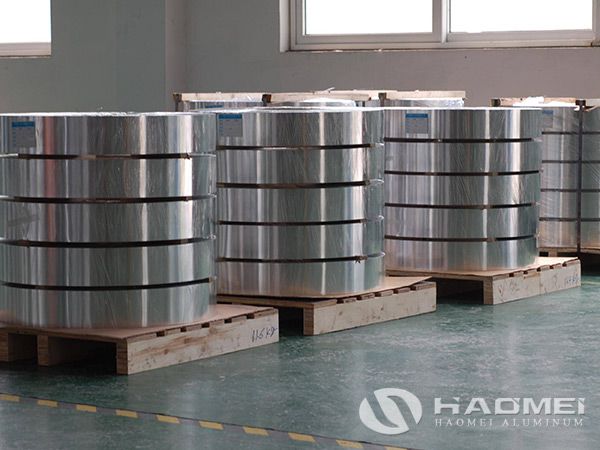
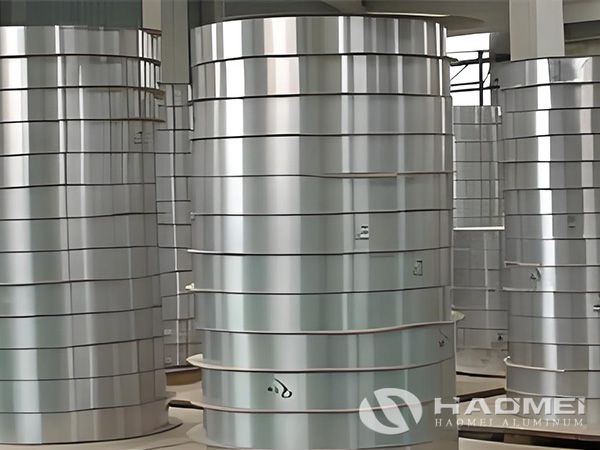
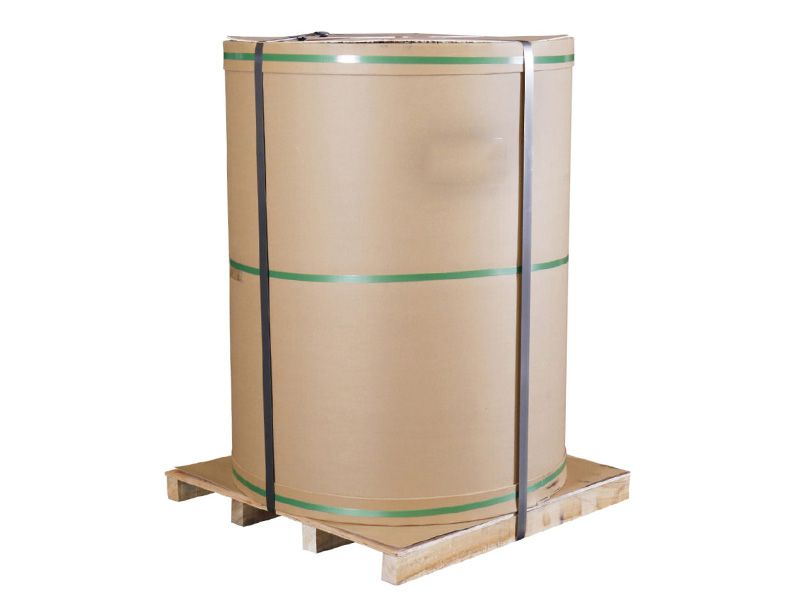
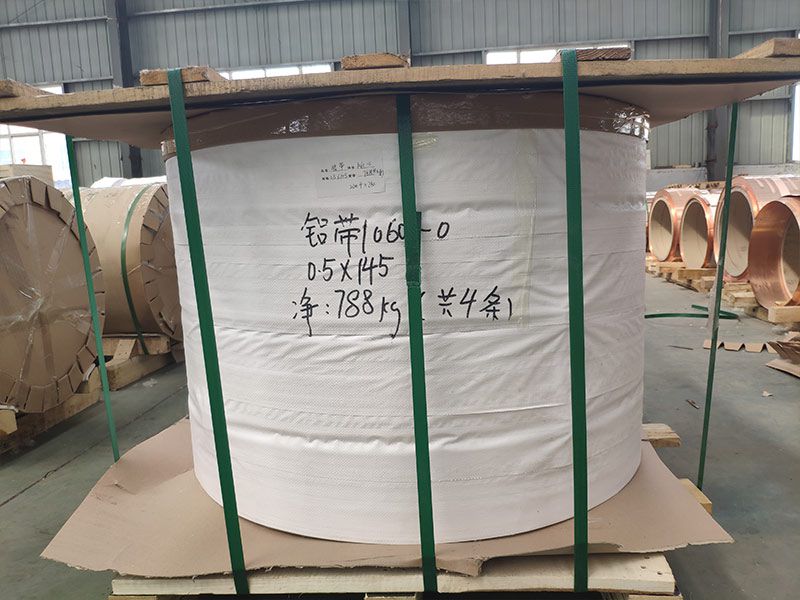
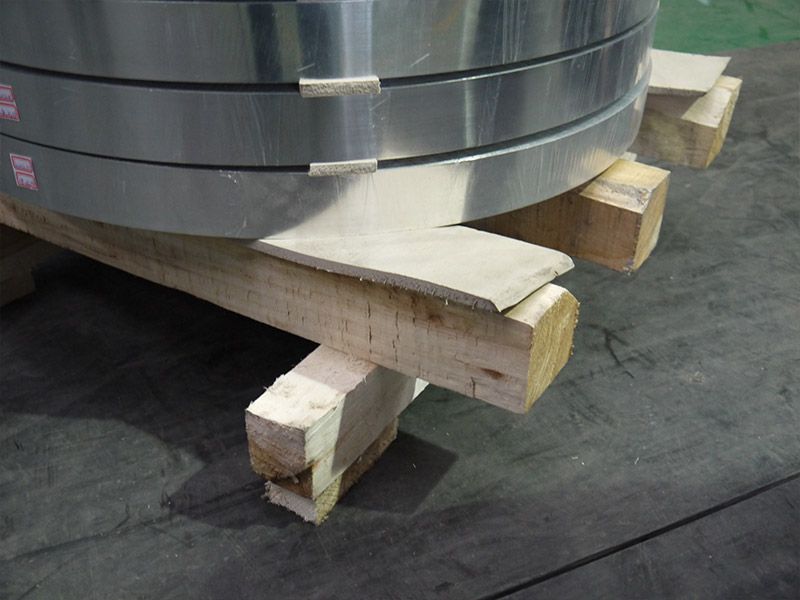
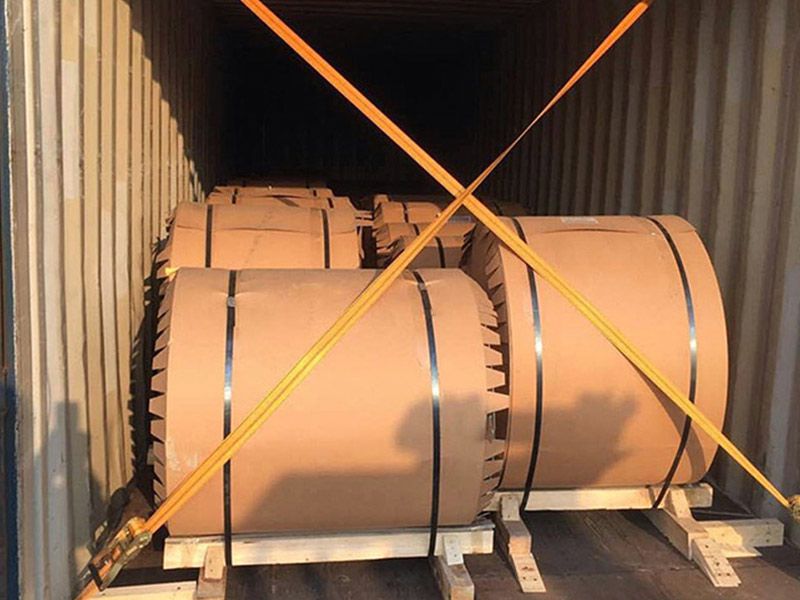
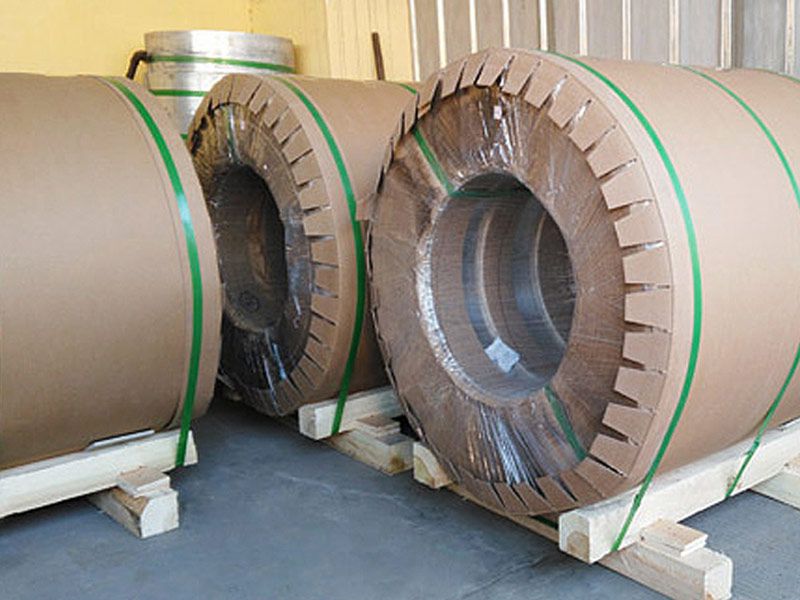
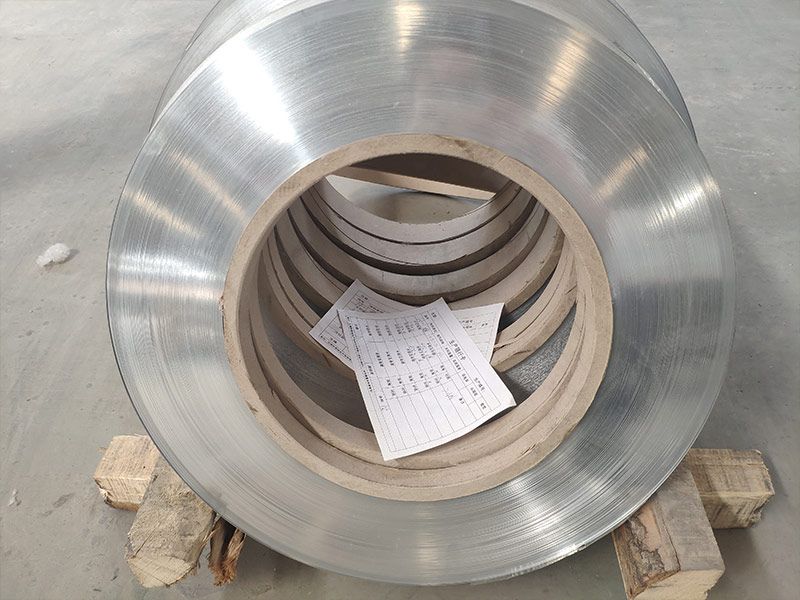
Aluminum strip for argon arc welding is supplied in coils. Each coil is packed properly to protect the surface and edges during storage and transportation.
Packaging Options
Moisture-proof paper wrapping
Plastic film protection
Wooden pallet packaging
Wooden case packaging
Eye-to-sky packaging
Eye-to-wall packaging
Edge protection
Export seaworthy packaging
Q1: What is aluminum strip for argon arc welding used for?
A: It is mainly used for TIG welding or argon arc welding applications, especially welded aluminum cable sheath, aluminum protective sheath and other aluminum welded structures.
Q2: Which alloy is suitable for argon arc welding aluminum strip?
A: Common alloys include 1050, 1060, 1070, 1100, 3003 and 5052. For cable sheath applications, 1060, 1070 and 3003 are commonly used depending on conductivity, formability and strength requirements.
Q3: Can the aluminum strip be used for welded cable sheath?
A: Yes. Our aluminum strip can be supplied for welded aluminum cable sheath production, including longitudinal forming and argon arc welding processes.
Q4: Why is oil-free surface important for argon arc welding?
A: Oil, dust or surface contamination may cause welding porosity, unstable arc, black spots or poor weld seam quality. Clean and oil-free surface helps improve welding stability.
Q5: Can you provide burr-free edge aluminum strip?
A: Yes. We can provide precision slit and burr-controlled aluminum strip to support continuous forming and automatic welding production.
Q6: Can you customize thickness and width?
A: Yes. Thickness, width, temper, coil inner diameter, coil weight and edge condition can be customized according to customer requirements.
Q7: Can you provide material test certificates?
A: Yes. Material test certificates including chemical composition, tensile strength, yield strength and elongation can be provided upon request.