
How to Choose Aluminum Strip for Transformer Winding
2026-04-29
Choosing the right aluminum strip for transformer winding is important for transformer performance, production efficiency and long-term reliability. Transformer aluminum strip is not only a simple metal strip. Its alloy grade, temper, thickness, width, surface quality and edge condition can all affect the winding process and final transformer quality.
For purchasing teams and transformer manufacturers, a clear selection standard can help reduce quality risks and avoid production problems.
This guide explains the main factors to consider when choosing aluminum strip for transformer winding.
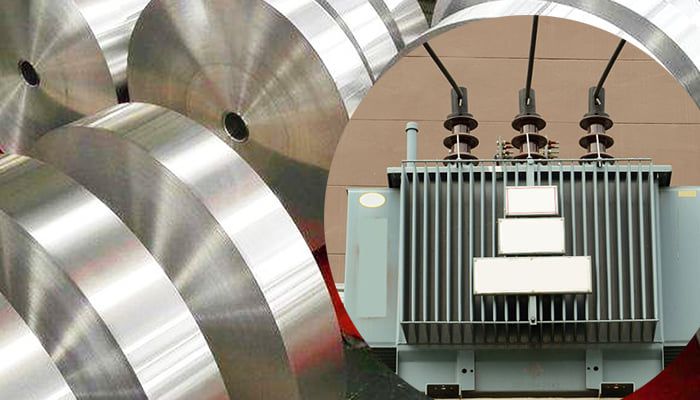
1. Confirm the Transformer Application
Before selecting aluminum strip, you should first confirm where it will be used.
Common applications include:
Dry-type transformer winding
Oil-immersed transformer winding
Distribution transformer
Power transformer
Electrical coil or conductor components
Different transformer types may have different requirements for conductivity, mechanical performance, insulation compatibility and winding structure.
For example, dry-type transformers may pay more attention to surface cleanliness and edge quality, while oil-immersed transformers may focus on stable long-term electrical performance and reliable coil formation.
2. Choose the Right Aluminum Alloy
Aluminum alloy grade affects conductivity, purity and processing performance.
Common grades for transformer aluminum strip include:
| Alloy | Main Feature | Typical Use |
|---|---|---|
| 1060 | Good conductivity and formability | General transformer winding |
| 1070 | Higher purity and conductivity | Higher electrical requirements |
| 1350 | Electrical-grade aluminum | Transformer and electrical conductor applications |
1060 aluminum strip is widely used because it offers a good balance of conductivity, formability and availability.
1070 aluminum strip is suitable when higher aluminum purity and better conductivity are required.
1350 aluminum strip is commonly used in electrical conductor applications and may be selected for specific transformer requirements.
3. Select the Proper Temper
Temper affects hardness, softness and ductility.
For transformer winding, soft aluminum strip is often preferred because it is easier to wind and form.
Common options include:
O temper
H12
H14
Customized temper
O temper aluminum strip has good softness and ductility. It can help improve winding performance and reduce the risk of cracking or poor forming.
If higher strength is required, other tempers may be selected according to design needs.
4. Confirm Thickness and Width
Thickness and width are two of the most important specifications for transformer aluminum strip.
They should be selected according to transformer electrical design, current load and winding structure.
When confirming thickness and width, customers should provide:
Nominal thickness
Thickness tolerance
Nominal width
Width tolerance
Coil inner diameter
Coil outer diameter or coil weight
Quantity
Accurate thickness and width help ensure stable winding quality and consistent electrical performance.
If the thickness is unstable, it may affect coil size and electrical performance. If the width is inconsistent, it may create winding alignment problems.
5. Check Conductivity Requirements
Conductivity is a key performance factor for transformer aluminum strip.
Higher conductivity can improve electrical performance and reduce energy loss. The required conductivity depends on transformer design and application.
When purchasing aluminum strip, customers should confirm whether conductivity data or material certificates are required.
A reliable supplier should be able to provide quality inspection support according to customer requirements.
6. Pay Attention to Surface Quality
Surface quality is very important for transformer winding.
A good aluminum strip surface should be:
Smooth
Clean
Free from serious scratches
Free from heavy oil stains
Free from oxidation problems
Suitable for insulation contact
Poor surface quality may affect insulation performance and winding stability. In transformer production, surface defects can also create processing issues.
Before shipment, surface inspection should be included in quality control.
7. Choose the Suitable Edge Condition
Edge quality is one of the most important factors in transformer aluminum strip.
Common edge conditions include:
Slit edge
Deburred edge
Round edge
Sharp burrs may damage insulation paper or film during winding. This can increase the risk of insulation failure.
For transformer winding applications, deburred edge or round edge is often recommended, especially when insulation protection is critical.
8. Confirm Coil Condition and Packaging
Transformer aluminum strip is usually supplied in coil form. Good coil condition helps ensure smooth feeding and winding.
Important coil requirements include:
Tight and stable coil winding
No serious edge damage
No coil deformation
Proper coil inner diameter
Safe handling and transportation protection
Export packaging should protect the aluminum strip from moisture, deformation and surface damage.
Common packaging includes:
Moisture-proof wrapping
Wooden pallet
Wooden case
Edge protection
Coil fixing
9. Ask for Quality Documents
For B2B purchasing, quality documents can help confirm material compliance.
Depending on the order, customers may request:
Material test certificate
Chemical composition report
Mechanical property report
Conductivity test data
Inspection report
Packing list
These documents help improve traceability and reduce purchasing risk.
10. Choose a Reliable Supplier
A reliable transformer aluminum strip supplier should offer more than just material.
Important supplier capabilities include:
Stable production capacity
Custom slitting ability
Edge processing capability
Strict quality control
Technical communication
Export packaging experience
Fast response to inquiries
Support for customized specifications
For transformer manufacturers, stable quality and communication are often more important than the lowest price.
Choosing aluminum strip for transformer winding requires careful consideration of alloy, temper, thickness, width, conductivity, surface quality, edge condition, coil condition and packaging.
A suitable aluminum strip can improve winding efficiency, reduce insulation risk and support transformer reliability.
When requesting a quotation, customers should provide detailed specifications and application information. This helps the supplier recommend the right material and avoid misunderstanding.