
Why Round Edge Aluminum Strip Is Important for Transformer Winding
2026-04-29
Edge quality is one of the most important factors for transformer aluminum strip. During transformer winding, aluminum strip is wound together with insulation paper or insulation film. If the strip edge is sharp or has burrs, it may damage the insulation material and affect transformer reliability.
Round edge aluminum strip is designed to reduce this risk. It provides a smoother edge condition and helps improve winding safety and product quality.
For transformer manufacturers, choosing round edge or deburred aluminum strip can be an important quality decision.
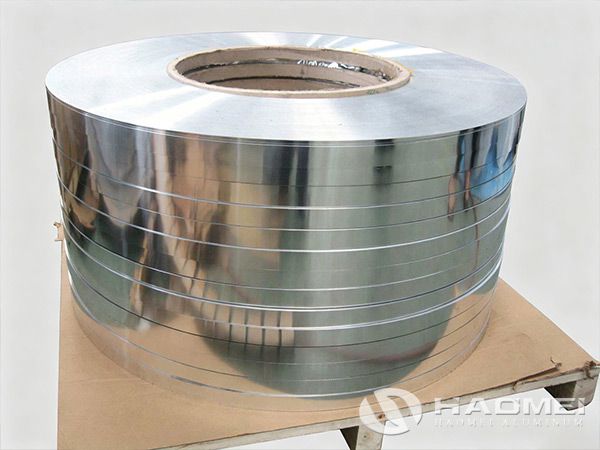
What Is Round Edge Aluminum Strip?
Round edge aluminum strip refers to aluminum strip with smoother and rounded edges after edge processing.
Compared with ordinary slit edge, round edge has less sharpness and lower burr risk. It is especially suitable for applications where the strip edge contacts insulation materials.
Common edge conditions include:
| Edge Type | Description |
|---|---|
| Slit Edge | Directly cut edge from slitting process |
| Deburred Edge | Edge burrs are reduced or removed |
| Round Edge | Edge is processed into a smoother rounded form |
For transformer winding, deburred edge or round edge is often preferred.
Why Edge Quality Matters in Transformer Winding
Transformer winding is a continuous process. Aluminum strip must pass through winding equipment and be wound tightly with insulation materials.
If edge quality is poor, several problems may occur:
Insulation paper may be scratched
Insulation film may be damaged
Burrs may create electrical risk
Winding quality may become unstable
Production efficiency may decrease
Long-term reliability may be affected
Because transformers are electrical equipment, insulation safety is very important. Even small edge defects may create quality risks.
Problems Caused by Sharp Burrs
Sharp burrs are one of the most common edge problems in metal strips.
For transformer aluminum strip, burrs may cause:
1. Insulation Damage
Burrs can cut or scratch insulation materials during winding. This may reduce insulation strength and increase failure risk.
2. Poor Winding Performance
Uneven edge quality may affect winding smoothness and coil alignment.
3. Higher Rejection Rate
If burrs are serious, transformer manufacturers may need to stop production, inspect material or reject coils.
4. Safety Risk
In electrical equipment, damaged insulation can lead to serious quality issues.
This is why edge inspection is a key part of aluminum strip quality control.
Benefits of Round Edge Aluminum Strip
Round edge aluminum strip offers several important benefits for transformer winding.
1. Better Insulation Protection
A smooth round edge helps reduce the risk of cutting or damaging insulation paper and film.
2. Improved Winding Stability
Round edge strip can pass through winding equipment more smoothly and support stable coil formation.
3. Reduced Quality Risk
By controlling burrs and edge sharpness, manufacturers can reduce potential insulation failure risks.
4. Better Processing Performance
Round edge aluminum strip is easier to handle during winding and assembly.
5. Suitable for High-Quality Transformers
For transformers with higher insulation and reliability requirements, round edge strip is often a better choice.
Round Edge vs Deburred Edge vs Slit Edge
Different edge types may be suitable for different applications.
| Edge Type | Advantage | Suitable Application |
|---|---|---|
| Slit Edge | Economical and common | General applications with lower edge requirements |
| Deburred Edge | Reduced burrs | Transformer winding and electrical applications |
| Round Edge | Smoothest edge condition | Higher insulation protection requirements |
If the application is transformer winding, customers should clearly specify edge requirements before ordering.
Applications of Round Edge Aluminum Strip
Round edge aluminum strip is commonly used in:
Transformer winding
Dry-type transformers
Oil-immersed transformers
Distribution transformers
Power transformers
Electrical conductor components
Applications requiring insulation protection
It is especially useful when aluminum strip directly contacts insulation materials.
How Edge Quality Is Controlled
A professional supplier should control edge quality during slitting and finishing.
Typical control methods include:
Precision slitting
Proper blade maintenance
Edge deburring
Round edge processing
Edge visual inspection
Burr measurement if required
Coil protection during packaging
Edge quality should be checked before shipment to make sure it meets customer requirements.
What Information Should Customers Provide?
When ordering round edge aluminum strip, customers should provide:
Aluminum alloy
Temper
Thickness
Width
Edge type
Coil inner diameter
Quantity
Application
Special inspection requirements
Clear technical requirements help avoid misunderstanding and ensure the correct material is supplied.
Round edge aluminum strip is important for transformer winding because it helps protect insulation materials, improve winding stability and reduce quality risks.
For transformer manufacturers, edge quality should not be ignored. A smooth edge can make a significant difference in production efficiency and long-term transformer reliability.
If your transformer application has strict insulation requirements, round edge or deburred aluminum strip is recommended.