
Aluminum Strip vs Copper Strip for Transformer Winding
2026-04-29
Aluminum strip and copper strip are both widely used as conductor materials in transformer winding. For transformer manufacturers, choosing between aluminum and copper is an important decision that affects electrical performance, transformer size, weight, cost and long-term reliability.
There is no single answer to which material is better. Aluminum strip and copper strip each have their own advantages. The right choice depends on transformer design, application requirements, budget, weight limitation and electrical performance needs.
This article compares aluminum strip and copper strip for transformer winding from several important aspects.
Overview of Transformer Winding Materials
Transformer winding materials must provide stable electrical conductivity and reliable mechanical performance during winding and operation.
Common winding conductor materials include:
Aluminum strip
Copper strip
Aluminum foil
Copper foil
Round or rectangular wire
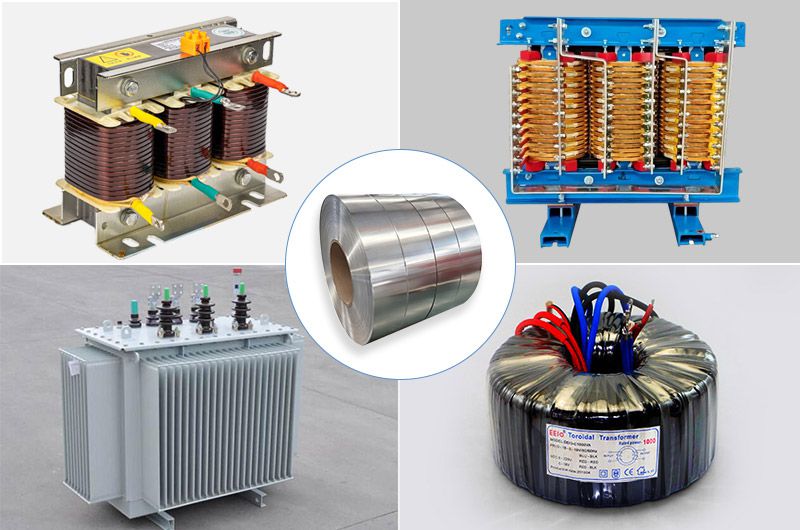
Among them, aluminum strip and copper strip are commonly used in strip-type winding structures. They are usually supplied in coil form and customized according to transformer design requirements.
What Is Aluminum Strip for Transformer Winding?
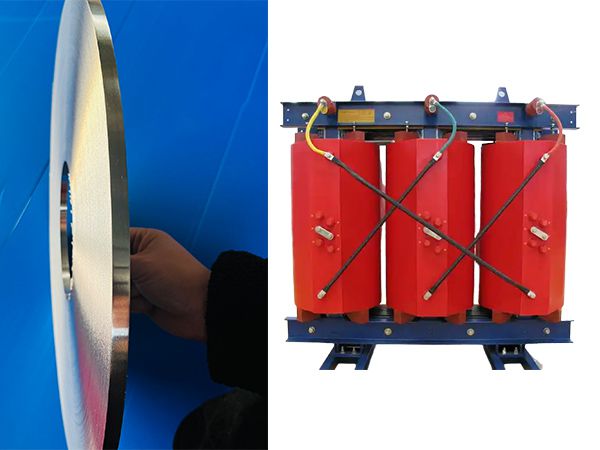
Aluminum strip for transformer winding is a flat aluminum conductor material. Common alloy grades include 1060, 1070 and 1350. It is widely used in distribution transformers, dry-type transformers, oil-immersed transformers and power transformers.
Main advantages of aluminum strip include:
Lightweight
Good conductivity
Cost-effective
Good formability
Suitable for customized winding designs
Available in different widths and thicknesses
Aluminum strip is often selected when cost control and weight reduction are important factors.
What Is Copper Strip for Transformer Winding?
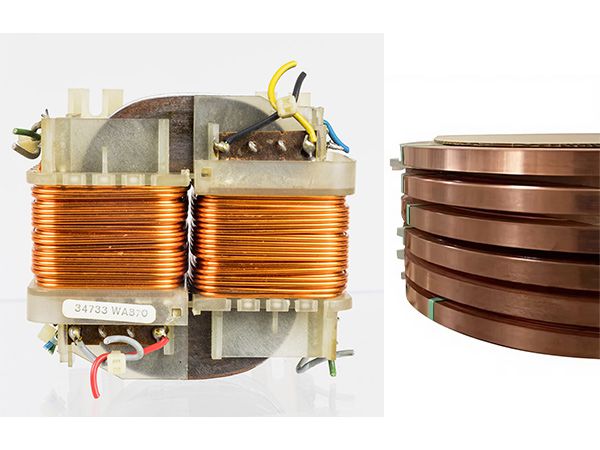
Copper strip for transformer winding is a flat copper conductor material. Common copper grades include T2 copper, C1100 copper and other high-conductivity copper materials.
Main advantages of copper strip include:
Excellent electrical conductivity
Good thermal conductivity
Strong mechanical properties
Compact transformer design
Stable electrical performance
Suitable for high-performance transformers
Copper strip is often selected when high conductivity and compact design are required.
Conductivity Comparison
Copper has higher electrical conductivity than aluminum. This means copper can carry the same current with a smaller cross-sectional area compared with aluminum.
However, aluminum can still meet many transformer winding requirements if the design is properly adjusted. In many applications, aluminum strip is used as a cost-effective conductor material.
| Item | Aluminum Strip | Copper Strip |
|---|---|---|
| Conductivity | Good | Excellent |
| Current carrying capacity | Requires larger section than copper | Higher in same section |
| Electrical performance | Suitable for many transformer designs | Suitable for high-performance designs |
If conductivity is the highest priority, copper strip is usually preferred. If cost and weight are important, aluminum strip can be a practical choice.
Weight Comparison
Aluminum is much lighter than copper. This is one of the major advantages of aluminum strip.
For large transformers, using aluminum winding materials may help reduce overall transformer weight. This can reduce transportation difficulty and support lightweight transformer design.
| Item | Aluminum Strip | Copper Strip |
|---|---|---|
| Density | Lower | Higher |
| Transformer weight | Lower | Higher |
| Handling and transportation | Easier | Heavier |
Cost Comparison
Cost is one of the most important reasons why many manufacturers choose aluminum strip.
Copper is generally more expensive than aluminum. When transformer design allows, aluminum strip can help reduce material cost significantly.
| Item | Aluminum Strip | Copper Strip |
|---|---|---|
| Material cost | Lower | Higher |
| Cost stability | Generally more economical | More affected by copper price |
| Budget control | Better | Higher cost |
However, cost should not be the only factor. Electrical performance, transformer design and long-term reliability should also be considered.
Mechanical Performance Comparison
Copper generally has better mechanical strength and fatigue resistance than aluminum. It can be suitable for applications where higher mechanical stability is required.
Aluminum strip has good formability, especially in soft temper. It is suitable for winding, but edge quality and surface quality must be well controlled.
| Item | Aluminum Strip | Copper Strip |
|---|---|---|
| Strength | Good | Higher |
| Ductility | Good in soft temper | Excellent |
| Winding performance | Good with proper temper | Excellent |
| Edge requirement | Very important | Also important |
Application Differences
Aluminum strip is commonly used in:
Distribution transformers
Dry-type transformers
Oil-immersed transformers
Cost-sensitive transformer designs
Lightweight transformer designs
Copper strip is commonly used in:
High-performance transformers
Compact transformer designs
Power transformers
Transformers requiring high conductivity
Electrical equipment with strict performance requirements
Which Material Should You Choose?
Choose aluminum strip if:
You need a cost-effective conductor material
Weight reduction is important
The transformer design supports aluminum winding
Custom width and thickness are required
You want a balance between performance and cost
Choose copper strip if:
High conductivity is required
Compact transformer size is important
Higher thermal performance is needed
The transformer has strict electrical performance requirements
Budget allows higher material cost
In many cases, the decision should be made together with transformer design engineers.
Quality Requirements for Both Materials
Whether you choose aluminum strip or copper strip, quality control is critical.
Important quality factors include:
Conductivity
Thickness tolerance
Width tolerance
Surface cleanliness
Edge burr control
Coil condition
Mechanical properties
Packaging protection
Poor edge quality or unstable dimensions may cause winding problems and insulation damage.
Aluminum strip and copper strip are both important transformer winding materials.
Aluminum strip offers advantages in weight and cost. Copper strip provides higher conductivity and better electrical performance. The best choice depends on transformer design, performance requirements, budget and application.
For reliable transformer production, selecting a professional supplier with strong quality control is just as important as choosing the material itself.